Why European Biscuits Pair So Well with Coffee and Tea
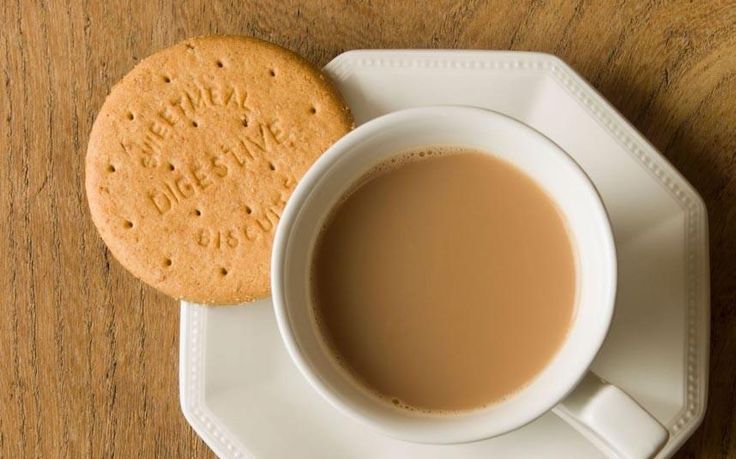
Across much of Europe, hot drinks are rarely consumed alone. Coffee or tea usually arrives with something small beside it, almost automatically. Often, that something is a biscuit. The habit is so familiar that it can feel invisible, yet it reveals something important about European food culture. In many regions, biscuits were never meant to be eaten entirely on their own. They were created to accompany beverages, to soften slightly in warmth, and to enhance the experience of drinking rather than replace it.
This purpose has shaped everything from their sweetness level to their texture and size. When people in the UK encounter European biscuits today, they often notice that they feel different from many standard snack biscuits. They seem less sugary, more delicate, and somehow more suited to coffee or tea. That difference is not accidental. It comes from a long culinary relationship between baked goods and daily drink rituals.
Biscuits designed to complement, not dominate
One of the most distinctive characteristics of European biscuits is their balanced sweetness. Instead of aiming for immediate impact, they emphasise butter, gentle vanilla, cocoa, or mild spice. Sugar supports these flavours but does not overwhelm them. This restraint allows the drink beside the biscuit to remain present. Coffee still tastes like coffee. Tea still tastes like tea.
When you take a sip after a bite, something subtle happens. The biscuit’s flavour lingers while the drink washes over it, creating a combined taste that feels fuller and rounder than either element alone. If the biscuit were sweeter, that harmony would collapse. The drink would seem bitter by contrast. European baking traditions evolved to avoid that imbalance.
This approach reflects everyday practicality. People across Europe often consume biscuits repeatedly throughout the day, alongside multiple beverages. A highly sweet biscuit would quickly become tiring. A balanced one remains pleasant.
Texture shaped by dipping traditions
Texture plays an equally important role in this pairing culture. Many European biscuits are crisp yet porous. They retain their structure when briefly dipped into hot liquid but soften enough to integrate with it. This behaviour is essential in regions where dipping is common.
In Italy, small dry biscuits accompany espresso or cappuccino and are often dipped quickly before eating. In France, butter biscuits are eaten with café drinks and may soften slightly in contact with coffee. In Belgium and the Netherlands, wafers and spiced biscuits complement strong coffee traditions. Each case reflects the same principle: the biscuit interacts with the drink.
That interaction influences recipe design. Bakers adjust fat content, thickness, and baking time to achieve the right balance of crispness and absorbency. A biscuit intended for dipping cannot crumble instantly, nor remain completely rigid. It must transition between textures in a controlled way.
The quiet role of fat and butter
Another reason European biscuits pair well with beverages lies in their fat composition. Many rely heavily on butter rather than vegetable fats or syrups. Butter carries aroma gently and melts at body temperature. When combined with hot drinks, it releases flavour gradually. The biscuit seems richer without becoming heavy.
Butter also moderates sweetness perception. Even when sugar is present, butter’s savoury notes keep the biscuit from tasting cloying. This moderation supports pairing. Coffee’s bitterness and tea’s tannins remain compatible with the biscuit’s flavour profile.
This subtle balance between fat and sugar is rarely discussed explicitly, yet it is central to why these biscuits feel harmonious beside beverages.
Tea pairing beyond British norms
The UK already possesses a strong tea and biscuit tradition, yet continental European biscuits introduce a different style of pairing. Many British tea biscuits are crumbly or thick. European varieties often lean thinner and crisper. Their sweetness is typically lower, and their butter flavour more pronounced.
This makes them flexible companions. A single biscuit type can suit espresso, cappuccino, or black tea equally well. The pairing does not depend on the drink alone. Instead, it rests on balance and texture.
As coffee culture has expanded in the UK, consumers have begun noticing these differences. They recognise that certain biscuits feel particularly compatible with coffee. The European pairing tradition, long established elsewhere, begins to integrate naturally into British routines.
Ritual and the psychology of small indulgence
The enduring appeal of biscuit and beverage pairing lies partly in psychology. A drink alone is functional. Adding a biscuit transforms it into a pause. The biscuit signals that this moment is not purely utilitarian. It invites sitting, dipping, or slowing down.
Across Europe, such small rituals structure daily life. Morning coffee with a biscuit. Afternoon tea with something crisp and sweet. These habits create continuity and comfort without excess. The biscuit remains modest in size, allowing repetition without heaviness.
Modern consumers increasingly value this kind of modest indulgence. Instead of large desserts, they prefer small treats integrated into daily rhythms. European biscuits fit perfectly into that preference.
Availability and cross-cultural adoption
Greater access to continental foods has supported the spread of these pairing habits in the UK. Online European grocery stores offer biscuit varieties beyond standard domestic selections. Consumers encounter textures and flavours tied to different traditions.
The UK-based EuropaFoodXB online grocery store reflects this accessibility trend. Including European biscuits alongside other pantry foods, it illustrates how beverage pairing snacks have become part of broader continental-inspired shopping patterns in Britain. The store itself is not the focus. The availability is.
Sensory harmony as lasting appeal
Ultimately, European biscuits pair well with coffee and tea because their design follows sensory logic. Balanced sweetness, moderate fat, and adaptable texture ensure compatibility with hot beverages. These characteristics remain relevant regardless of changing trends.
Even as coffee preparation methods evolve and tea culture diversifies, biscuits shaped by beverage traditions retain their place. Their function remains clear: to complement rather than compete.
Conclusion
European biscuits were shaped by centuries of beverage-centred eating habits. Their restrained sweetness and thoughtful texture allow them to merge naturally with coffee and tea.
As UK consumers embrace continental café rituals and seek smaller, more balanced indulgences, these biscuits increasingly become part of everyday routines. Their success lies not in novelty but in harmony, proving that simple pairings often endure longest.