Social Media in 2026: How to Build a Great Brand Online
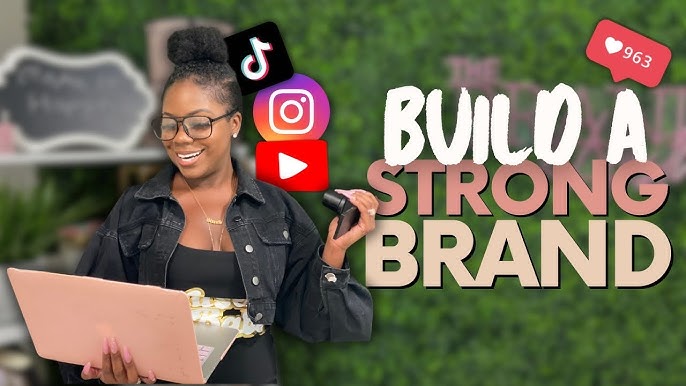
Forget random posting. Social media is a significant factor for businesses seeking attention. It builds your brand, grabs customers, and one-ups rivals. Brands use it for everything—posts, chatting with fans, and checking progress. It’s no longer secondary; growth depends on it.
Winning in 2026 means being smart and quick. AI, influencers, and mobile users mean good social media can boost your brand, build trust, involve people, and even make money. Take social media seriously and use data for results.
What’s social media management?
Basically, it’s planning posts, making content, posting it, seeing how it performs, and talking to people on platforms. That includes posts and ads. It’s all about social media helping your business get noticed, find leads, support customers, and make sales.
It’s your content plan, community interaction, stats, tools, and problem-solving all together. Do it right for consistency and results as platforms change. Read more here.
Keys to a great social media plan in 2026
With 5 billion people using social media, your plan can’t just fill space. It needs to build trust, grab attention, and deliver outcomes. The best plans in 2026 have these elements:
Good Content
Good content still matters most. To make content people like, you need to know what works on each platform. Short videos are still popular on TikTok and Instagram Reels, and LinkedIn is about insights and industry discussions.
Sharing other people’s content keeps things interesting, shows you’re credible, and means you don’t always have to create everything yourself. Mix your content with content from others to keep your brand visible without stressing out your team.
Checking Stats
Data-driven thinking matters in social media. Tracking interactions, reach, click-through rates, followers, and sales shows what content works and why.
Native social media platforms offer built-in analytics, but advanced social media analytics platforms provide deeper, cross-platform insights in one place. Setting goals and reviewing data helps you create better content, target audiences, and work more efficiently.
Planning
A good social media plan starts with goals. You might want to build brand awareness, find leads, drive people to your website, support customers, or sell products. Each goal should have measurable results and a solid content plan.
Planning also means aligning social media with business goals and putting content on a calendar. Plans need to be flexible so you can adjust when algorithms change, platforms come and go, and your audience evolves.
Talking to Your Community
Social media is made for conversation. Brands that only use it to broadcast messages miss out on the best part—building relationships. Responding quickly to comments and messages builds trust and shows you’re actually listening.
Doing things like polls, live Q&As, stories, and giveaways gets people involved. Being real is extremely important. People can spot fake content a mile away and will tune out if you sound robotic.
Handling Problems
Not everything on social media is positive. You need a plan for dealing with negative comments, criticism, misinformation, or difficult situations.
Listening to what people are saying helps you spot issues early. When something goes wrong, responding quickly, honestly, and with empathy is critical for protecting your brand and maintaining trust.
Working With Influencers
Influencer marketing still reaches people and builds credibility. Working with influencers, especially those with a specific audience, builds trust faster than ads.
Good partnerships mean shared values, tone, and audience alignment. Clear goals and performance tracking can help you get your money’s worth.
How to make a great social media plan
Now that you know why it matters, get to work. Creating a social media plan takes structure, consistency, and continuous improvement.
- Pick Platforms
Not every network works for every brand. Don’t try to be everywhere; focus on two or three platforms where your audience spends time. Think about your buyers and do proper research.For example, if you decide to focus on tiktok, choosing to buy a follower tiktok package can be a brilliant move to instantly boost your social proof, making your brand look like an established authority that users want to follow immediately.
- Set Goals
Set clear goals and decide how to measure them: reach, views, interactions, followers, profile visits, shares, and mentions.
Tracking performance helps you stay focused. Monthly reports show progress without requiring excessive effort.
- Make Good Content
Content should educate, entertain, or inspire. Feeds that are only ads tend to turn people off. Good content isn’t overly sales-focused, is easy to share, looks good, and comes in different formats.
Mixing things up keeps people interested and encourages natural engagement.
- Use the 50-30-20 Rule
Balance is key to long-term content planning. Make 50% of your posts valuable, 30% engaging content, and 20% promotional. This helps you achieve goals without losing credibility.
- Use a Calendar
A content calendar adds structure. Planning content helps you stay organized, jump on trends, and avoid feeling rushed.
- Check and Improve
No plan lasts forever. Platforms, algorithms, and audiences change. Reviewing performance shows what works and what doesn’t.
Let data guide your decisions, and adjust or drop tactics that don’t deliver results.
Conclusion
In 2026, social media is all about strategy and data. It shapes how people see your brand, your relationships with customers, and how your business grows. By focusing on planning, quality content, authenticity, analytics, and adaptability, you can turn social media into a powerful tool for success.
Businesses that invest in managing social media effectively won’t just keep up—they’ll lead their industry.