Recyclatanteil Explained: Why Recycled Content Matters
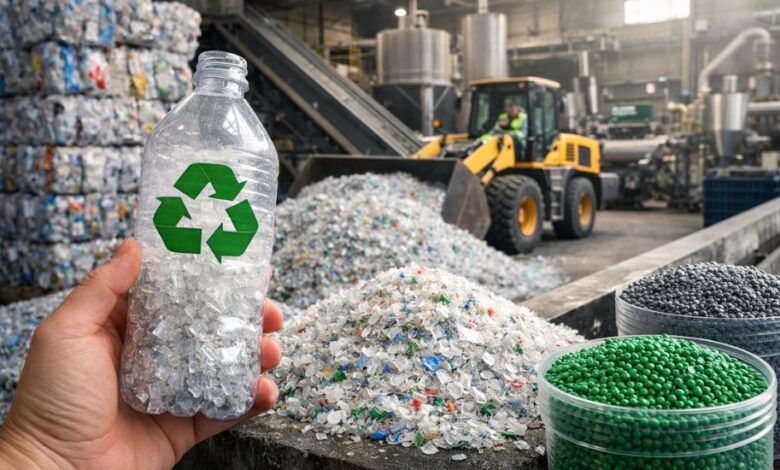
In recent years, sustainability, circular economy, and resource efficiency have become central topics in global environmental discussions. One term that appears increasingly often in these debates—especially in German-speaking countries and European policy frameworks—is “Recyclatanteil.” While it may sound technical, the concept behind recyclatanteil plays a crucial role in determining how sustainable modern production systems really are. It reflects not only how much waste is recycled, but more importantly, how much recycled material is actually used again in new products.
This article provides an in-depth explanation of recyclatanteil, its significance, how it differs from recycling rates, its role in various industries, current challenges, regulatory frameworks, and its future relevance in the transition to a circular economy.
What Is Recyclatanteil?
Recyclatanteil refers to the percentage of recycled material (recyclate) used in the production of a new product or within total material input. In simpler terms, it answers the question: How much of a product is made from recycled materials rather than virgin raw materials?
For example, if a plastic bottle contains 30% recycled plastic and 70% newly produced plastic, the recyclatanteil of that bottle is 30%.
This concept is especially important in material-intensive industries such as:
-
Plastics
-
Packaging
-
Construction
-
Automotive manufacturing
-
Electronics
-
Textiles
Recyclatanteil vs. Recycling Rate: A Critical Distinction
One of the most common misunderstandings is confusing recyclatanteil with the recycling rate.
-
Recycling rate measures how much waste is collected and processed for recycling.
-
Recyclatanteil measures how much recycled material is actually used in new products.
A country may have a high recycling rate but still a low recyclatanteil if recycled materials are not widely used in manufacturing. This gap highlights a major weakness in many current waste management systems: recycling alone does not guarantee circularity unless recycled materials re-enter the production cycle.
Why Recyclatanteil Matters
1. Resource Conservation
Virgin raw materials such as crude oil, natural gas, and minerals are finite. Increasing the recyclatanteil reduces dependence on these primary resources and helps conserve them for future generations.
2. Climate Protection
Producing materials from recycled content generally requires less energy than producing them from virgin resources. A higher recyclatanteil therefore contributes directly to lower greenhouse gas emissions and supports climate targets.
3. Circular Economy
The recyclatanteil is a key indicator of a functioning circular economy. It shows whether materials remain in use for as long as possible instead of becoming waste after a single lifecycle.
4. Market Transformation
A strong demand for recycled materials incentivizes innovation, improves recycling technologies, and stabilizes markets for recyclates.
Recyclatanteil in the Plastics Industry
The plastics industry is where the concept of recyclatanteil is discussed most intensively. Plastics are versatile, lightweight, and durable, but they also pose significant environmental challenges if not managed properly.
Despite relatively high recycling rates in some regions, the average recyclatanteil in plastic products remains comparatively low. Reasons include:
-
Quality differences between recyclates and virgin plastics
-
Contamination issues
-
Limited availability of high-grade recycled plastics
-
Regulatory and safety requirements, especially for food packaging
However, many companies and governments are now setting minimum recycled content targets to push the market toward higher recyclatanteil levels.
Recyclatanteil in Packaging
Packaging plays a crucial role in sustainability debates because it represents a large share of short-lived products. Increasing the recyclatanteil in packaging can significantly reduce waste and emissions.
Examples of packaging with rising recyclatanteil include:
-
PET bottles with recycled PET (rPET)
-
Paper packaging using recycled fibers
-
Glass bottles with high recycled glass content
Mandatory recycled content targets are increasingly being introduced, making recyclatanteil not just a voluntary sustainability goal but a legal requirement.
Measurement and Calculation of Recyclatanteil
The recyclatanteil is usually expressed as a percentage of total material input. It can be calculated at different levels:
-
Product level (e.g., a bottle, a car part)
-
Company level
-
Sector level
-
National or regional level
Accurate measurement requires transparency, standardized definitions, and reliable certification systems to prevent misleading claims.
Certification and Verification
To ensure credibility, recyclatanteil claims are often verified through certification schemes. These systems help confirm:
-
The origin of recycled materials
-
The proportion used in production
-
Compliance with standards and regulations
Certification builds trust among consumers, regulators, and business partners and reduces the risk of greenwashing.
Challenges in Increasing Recyclatanteil
1. Quality and Performance Issues
Recycled materials may have inconsistent properties, which can limit their use in high-performance or safety-critical applications.
2. Economic Barriers
Virgin materials can sometimes be cheaper than recyclates, especially when raw material prices are low. This reduces the financial incentive to increase recyclatanteil.
3. Technological Limitations
Not all materials can be recycled indefinitely. Some degrade after multiple recycling cycles, reducing their usability.
4. Regulatory Complexity
Different countries and regions apply different definitions and requirements, making compliance complex for international companies.
Policy and Regulation
Governments and international organizations are increasingly recognizing the importance of recyclatanteil. Regulatory measures include:
-
Minimum recycled content requirements
-
Eco-design rules
-
Extended producer responsibility (EPR) schemes
-
Public procurement rules favoring products with higher recyclatanteil
Such policies aim to close the loop between waste collection and material reuse.
Recyclatanteil Beyond Plastics
While plastics dominate discussions, recyclatanteil is also relevant in other sectors:
-
Construction: Use of recycled concrete, steel, and aggregates
-
Automotive: Recycled metals and plastics in vehicle components
-
Textiles: Fibers made from recycled polyester or cotton
-
Electronics: Reuse of metals and rare earth elements
Each sector faces unique challenges, but the underlying principle remains the same: keeping materials in circulation.
Consumer Awareness and Market Demand
Consumers increasingly expect sustainable products, but recyclatanteil is still not widely understood. Clear labeling and education can help consumers make informed choices and create market pressure for higher recycled content.
Transparency about recyclatanteil can become a competitive advantage for brands that take sustainability seriously.
The Future of Recyclatanteil
Looking ahead, recyclatanteil will become an even more important metric for sustainability performance. Technological innovation, better recycling infrastructure, and stronger regulations are expected to drive growth in recycled content across industries.
Digital product passports, improved traceability, and harmonized standards will further support the integration of recyclatanteil into mainstream production and reporting systems.
Conclusion
Recyclatanteil is far more than a technical indicator—it is a key measure of how effectively societies are transitioning from a linear “take-make-dispose” model to a circular economy. By focusing not only on recycling waste but also on using recycled materials in new products, recyclatanteil closes the loop and ensures that recycling delivers real environmental benefits.
As awareness grows and policies evolve, recyclatanteil will play a decisive role in shaping sustainable production, responsible consumption, and long-term resource security. Platforms like Buzz Vista aim to highlight such critical sustainability topics and make them accessible to a broader audience, helping readers understand complex environmental concepts and their real-world impact.
You may also read: Müer — Origins, Variants, and How to Research the Name