Keith Wyness Net Worth and the Everton Stadium Update
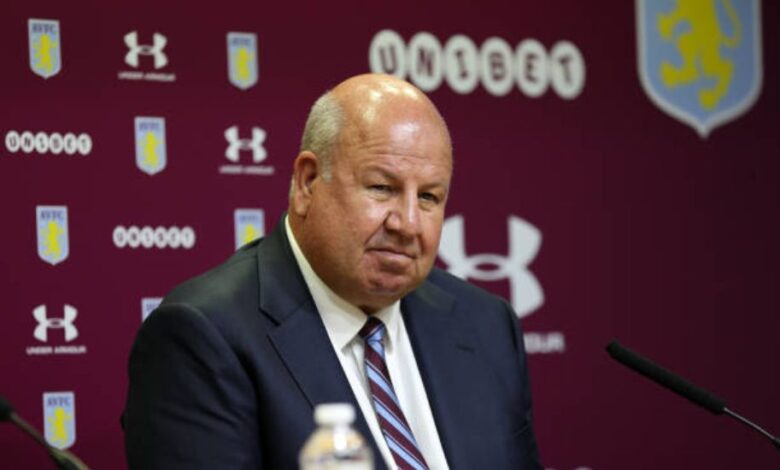
Keith Wyness is one of the most recognizable figures in British football administration, best known for his leadership roles at major clubs like Everton FC, Aston Villa, and Aberdeen. Over the decades, he has built a reputation as a sharp-minded executive who bridges the business and sporting sides of the game.
In recent years, Wyness has become a sought-after media voice, frequently appearing as a football analyst and insider. He now contributes to Football Insider, where he offers regular commentary on club operations, stadium developments, and the economics of the sport.
This article takes a detailed look at Keith Wyness’s net worth, his influential views on the Everton Stadium project, and his growing reputation as a Football Insider who continues to shape football discourse long after leaving the executive suite.
Early Life and Career Beginnings
Born in Aberdeen, Scotland, in 1958, Keith Wyness’s career began outside football. He started at British Airways, working through its management program and later holding senior roles in sales and marketing. His early exposure to international business equipped him with the commercial acumen that would later define his football career.
Before entering football management, Wyness also worked in the leisure and technology industries, which honed his understanding of brand strategy and large-scale operations. This broad professional foundation made him an attractive choice for football clubs looking to modernize their commercial models in the early 2000s.
Keith Wyness at Aberdeen FC
Wyness first entered football as the Chief Executive of Aberdeen FC in 2000. His time at the Scottish club focused heavily on financial restructuring, sponsorship acquisition, and improving the matchday experience. Aberdeen was facing challenges with stadium modernization and operating losses, and Wyness worked to make the club more commercially sustainable.
He was an early advocate for innovative revenue streams within Scottish football, pushing for better use of broadcasting rights and community engagement. While Aberdeen remained a traditional club, Wyness’s influence signaled a shift toward professional business practices in the Scottish Premier League.
The Everton Era: Modernizing a Premier League Giant
In 2004, Keith Wyness was appointed Chief Executive Officer of Everton FC, one of the Premier League’s most historic institutions. His five-year tenure at Everton marked a period of modernization, commercial expansion, and strategic planning for the future.
Under Wyness, Everton sought to increase off-pitch revenue while remaining competitive in England’s rapidly changing football landscape. He worked on initiatives related to new sponsorships, international branding, and stadium development. Wyness was instrumental in exploring options for moving the club from Goodison Park to a new home that would provide better facilities and financial growth potential.
One of the most discussed projects during his time was the “Kirkby Project,” a proposed new stadium outside Liverpool. Although the plan was ultimately not realized, it showcased Wyness’s vision for Everton as a self-sustaining club built on commercial strength and infrastructure investment.
Keith Wyness’s Net Worth: The Real Story Behind the Numbers
The question “What is Keith Wyness’s net worth?” has become a popular search topic in recent years. However, the truth is that there is no publicly verified figure available for his personal wealth.
Various online sources and blogs have speculated that Keith Wyness’s net worth could be around $600,000 to $700,000, but these estimates are purely speculative and not supported by official financial records or company disclosures. Unlike current club owners or publicly listed executives, Wyness’s private finances are not subject to public reporting.
What can be said with confidence is that Wyness has earned a strong living from decades of senior executive roles, consultancy work, and ongoing media engagements. His multiple directorships in football and business ventures demonstrate sustained professional activity and influence.
In short, Keith Wyness’s net worth may not be publicly known, but his professional legacy and financial impact on the clubs he led are undeniable.
Everton Stadium Update: Wyness’s Expert Take on Bramley-Moore Dock
Even after leaving Everton FC in 2009, Keith Wyness has remained one of the most informed and outspoken commentators on the club’s ongoing stadium developments.
In recent years, he has discussed the Everton Stadium project at Bramley-Moore Dock, now nearing completion. Wyness has repeatedly emphasized the long-term economic and community value of the new stadium, describing it as a once-in-a-generation opportunity for both the club and the city of Liverpool.
In his media appearances, Wyness noted that while the club initially estimated the project’s total impact at around £1.3 billion, he personally believes it could generate closer to £2 billion in economic value once the wider regeneration effects are considered.
According to Wyness, the stadium’s completion will mark a turning point in Everton’s history — one that could attract investment, boost matchday revenues, and elevate the club’s global profile. His insider perspective carries weight given his direct involvement in earlier stadium planning efforts during his tenure as CEO.
Wyness also addressed the financial challenges that have surrounded the club, particularly legal and funding hurdles faced by ownership groups. He has stated that with the final phases of construction underway and new ownership taking charge, Everton’s path toward completing the stadium looks far more secure.
A Broader View: Stadiums as Catalysts for Football’s Future
Keith Wyness’s thoughts on stadium development go beyond Everton. He has often discussed how modern stadiums can transform clubs into multi-purpose entertainment and business hubs.
In his Football Insider commentaries, Wyness has argued that stadium projects should not be seen as mere construction efforts but as catalysts for long-term revenue, tourism, and local regeneration. He frequently highlights how new venues can anchor a club’s commercial stability by integrating retail, events, and hospitality facilities into the football ecosystem.
This macro-economic perspective — linking sports infrastructure with civic development — reflects Wyness’s broader philosophy of football as both passion and enterprise. His Everton Stadium commentary perfectly encapsulates this balance between sporting ambition and business strategy.
Keith Wyness at Aston Villa: Lessons from a Modern Club
After his Everton years, Keith Wyness returned to football’s top tier as the Chief Executive of Aston Villa FC in 2016. His task was to help stabilize the club following relegation from the Premier League and to prepare it for long-term success.
During his time at Villa Park, Wyness focused on financial management, restructuring, and aligning the club’s operations with sustainable governance. Although his tenure ended in 2018, it provided valuable insights into the complexities of modern football administration — balancing owner expectations, fan demands, and commercial realities.
Wyness’s Villa experience reinforced his belief that strategic planning and transparency are vital for any club’s revival — lessons he continues to emphasize in his public commentary.
Keith Wyness and Football Insider: From Boardroom to Broadcast
Today, Keith Wyness serves as a prominent Football Insider contributor, where he provides weekly commentary on the business and governance of the game. As a recurring guest on The Inside Track podcast, Wyness discusses transfers, club management, financial fair play, and stadium updates.
This transition from executive to analyst reflects a new era in football media — one where experienced insiders offer informed, behind-the-scenes perspectives. Wyness’s ability to explain complex financial and operational topics in accessible language has made him a trusted voice for fans and professionals alike.
His insights often focus on Everton but also extend to broader Premier League and EFL topics. Whether discussing ownership changes, sponsorship deals, or infrastructure investment, Wyness brings the credibility of someone who has lived the realities he now analyzes.
Keith Wyness’s Influence on Modern Football Commentary
What makes Keith Wyness stand out among football commentators is his combination of business knowledge and executive experience. He doesn’t merely speculate on club decisions — he dissects them with the precision of someone who has sat in the CEO’s chair.
Through his work with Football Insider, Wyness has carved a niche as the “executive voice” of football media. His commentary helps fans, journalists, and even club executives better understand the commercial forces driving today’s game.
Wyness has also spoken about how football must adapt to digital transformation, smarter sponsorship models, and more sustainable governance. His continued involvement in discussions about Everton’s stadium and broader league trends shows that his influence remains as strong as ever.
Keith Wyness’s Legacy and Continuing Impact
Across his decades-long career, Keith Wyness has evolved from airline executive to football CEO, and now to respected media insider. His journey mirrors the evolution of football itself — from community sport to global industry.
Wyness’s legacy is defined not only by his executive leadership but also by his ongoing contribution to how fans and stakeholders understand football’s financial realities. From his measured commentary on Everton Stadium updates to his clarity on club operations, Wyness continues to inform and influence the conversation around the modern game.
In an era where speculation often dominates football media, Keith Wyness stands out as a voice grounded in experience and strategic insight.
Conclusion: A Continuing Voice in Football’s Future
Keith Wyness has worn many hats — executive, consultant, and insider — but the common thread across them all is his commitment to improving how football operates behind the scenes. His expertise on club management, his analysis of the Everton Stadium project, and his pragmatic view of the game’s economics make him one of football’s most enduring thinkers.
As the sport continues to evolve with technology, global ownership, and financial restructuring, Wyness’s insights remain highly relevant. Whether he’s speaking on Football Insider or commenting on Everton’s next big move, his words carry weight because they’re rooted in real-world experience.
For readers who appreciate deep dives into football’s business and strategy side, keep following Buzz Vista — your home for insightful analysis and behind-the-scenes perspectives from the world of sport and beyond.
You may also read: Rob Jeremiah: Mastering Succession, Tax and Commercial Strategy