5 Reasons Why Your Lawn Will Look Better with a Robot Mower
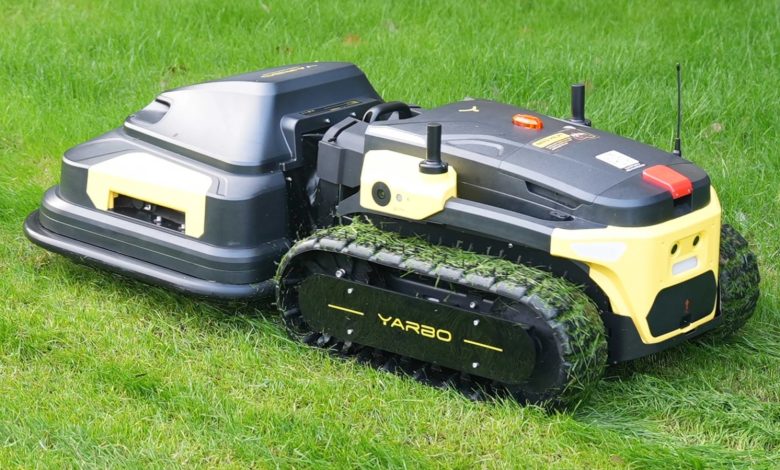
We all know the feeling: you look out the window at a pristine, emerald-green lawn and feel a sense of pride. In Europe, where the “English garden” aesthetic is often the gold standard, a lush, carpet-like lawn is the centerpiece of the home. But achieving that look with a traditional push mower is a constant battle against time, weather, and fatigue.
Many homeowners assume that automated mowers are simply about convenience—about saving time on a Saturday morning. While that is true, it misses the most important point: robot mowers are actually better for the grass itself.
Here are five agronomic reasons why switching to automation will result in a healthier, greener, and more resilient lawn.
1. The “Mulch” Effect: Natural Fertilization
The most significant difference between a human and a robot is frequency. When you mow manually, you likely do it once a week (or even every two weeks if the weather is bad). This means you are cutting off a significant length of the grass blade. These long clippings must be collected in a bag or raked up, removing vital nutrients from the ecosystem.
A robot lawn mower operates differently. It goes out daily or every other day, shaving off only the tinniest tip of the grass blade—often just a few millimeters. These micro-clippings are so small that they fall down to the soil surface and decompose almost instantly. This process returns nitrogen and moisture directly to the roots, acting as a constant, natural fertilizer. Over time, this reduces the need for chemical feeds and keeps the grass greener during dry spells.
2. Consistency Conquers Chaos
Grass loves consistency. It hates the “feast or famine” cycle of growing tall and then being scalped short. This stress causes the grass to turn yellow and stunts root growth.
Human mowing is often inconsistent. We skip a week because of a holiday, a busy work schedule, or a rainy weekend. By the time we finally get to it, the grass is overgrown, and cutting it back aggressively damages the plant.
An automated system removes human error from the equation. It adheres to a strict schedule, maintaining the perfect height regardless of your calendar. This consistency encourages the grass to grow denser and spread laterally, creating that thick, “carpet” feel underfoot.
3. Weed Suppression
Weeds are opportunists. They thrive when grass is stressed or when there are gaps in the turf. A thick, healthy lawn is the best natural defense against weeds because it chokes them out before they can establish.
Because a robot mower maintains a constant height, it prevents many common weeds from flowering and spreading seeds. Furthermore, the constant activity of the mower stresses broadleaf weeds, which generally prefer to grow tall and undisturbed, while the grass (which has evolved to be grazed) thrives under the regular trimming.
4. No More Wheel Ruts or Tracking
If you have ever mowed a lawn after a week of rain, you know the damage a heavy petrol mower can do. The wheels can sink into the soft soil, leaving unsightly ruts or “tracks” that ruin the visual appeal of the garden. Even on dry days, following the same pattern week after week compresses the soil, making it harder for water and air to reach the roots.
Robotic units are significantly lighter than traditional machines. They float over the surface rather than digging into it. Furthermore, advanced navigation systems vary their route every time they leave the station. This random or calculated variation ensures that the grass is cut from different angles, preventing the “striped” soil compaction lines often seen in manually mowed gardens.
5. Intelligent Weather Adaptation
One of the biggest challenges in European gardening is the unpredictable weather. Mowing wet grass is a cardinal sin in lawn care—it tears the plant, clumps the clippings, and spreads fungal diseases.
This is where the distinction between a basic machine and a smart lawn mower becomes crucial. Modern smart models are connected devices. They can utilize local weather data to pause their schedule during a downpour and resume only when conditions are optimal.
Some high-end models even utilize ai lawn mower technology to “see” the density of the grass. If a shady patch of the garden grows slower than the sunny center, the mower can adapt its frequency, ensuring it doesn’t over-mow the slow-growing areas while keeping the fast-growing spots under control.
Conclusion
The transition from manual to automated mowing is not just about getting your weekends back—though that is a lovely bonus. It is about upgrading your garden care to a professional standard. By mulching, maintaining consistency, and adapting to the weather, a robot mower treats your lawn like a living ecosystem rather than a chore. The result is a garden that doesn’t just look better; it is better.