RAG vs Agentic RAG for Insurance: Right Architecture for Claims Processing
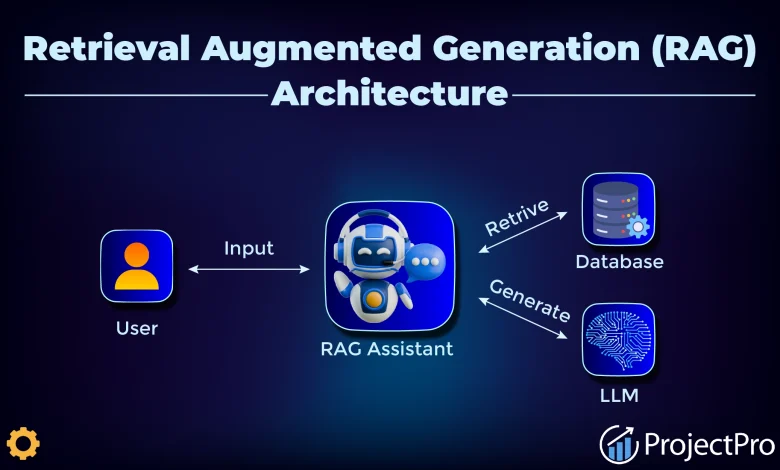
The goal for any modern insurance company is simple: make claims move faster. This is what we call automated claims processing in insurance. When a customer has an accident, they don’t want to wait weeks for a check. They want help now.
To get there, insurance leaders are looking at two different ways to build their AI systems. While they sound similar, the choice between RAG vs Agentic RAG will decide if your system just helps your team find files or if it actually finishes the work for them.
Why Your AI’s Architecture Is Important
In insurance, the work goes beyond just number crunching in spreadsheets. A big part of the data is unstructured. For instance, it could be a long email, a picture of a smashed car, a doctor’s note, or a 50-page contract in quarters.
If your AI is the wrong choice, it will be able to read the documents, but won’t know what to do with them. You require a design that fits the way your claims team works.
When to Choose the Search Style (Standard RAG)
Standard RAG is essentially a super-powerful search engine for your private company data. Hence, if your primary issue is that your employees spend a lot of time searching for information, it is the best choice for you.
Where it is most effective:
- Referring to Policy Rules: An employee asks if this particular plan covers flood damage? and the AI finds the answer in a flash.
- Researching Laws: It can instantly review the latest insurance regulations to ensure a claim is being legally handled.
- Condensing Records: It can take a pile of medical bills and produce a summary of costs.
The Benefit:
It is fast to set up and very easy to control. It doesn’t make decisions on its own, so there is very little risk. It acts like a Co-pilot that sits next to your human workers.
When to Use the Worker Style (Agentic RAG)
If you want to reach true automated claims processing in insurance, you likely need the Agentic version. This isn’t just a search tool; it is a system that can follow a plan.
Where it works best:
- Handling the Whole Process: It can take a claim from the moment it is filed, check the documents, and move it to the final approval stage without a human touching it.
- Using Outside Tools: Unlike the standard version, this AI can talk to other websites. It can check the weather to see if a storm actually happened or check a car-value website to see if a repair estimate is too high.
- Self-Correction: If the AI finds a mistake (like a missing signature), it doesn’t just stop. it thinks and decides to email the customer to ask for the signature automatically.
The Benefit:
It removes the bottlenecks. It stops claims from sitting idle while waiting for a human to perform a small, boring task.
Points to Consider When Choosing
To help you decide on RAG vs Agentic RAG, look at these specific points about your business:
1. The Complexity of Your Claims
If you only handle simple claims, like cracked windshields, standard RAG might be all you need. If you handle complex claims, like house fires or multi-car accidents, you need an Agentic system that can juggle many different pieces of information at once.
2. How Much Your Team is Struggling
If your adjusters are tired of hunting for info, go with RAG. If your adjusters are tired of doing the same five steps every day, go with Agentic RAG.
3. Your Budget and Time
Standard RAG is cheaper and can be ready in a few weeks. Agentic RAG is a bigger investment because you have to teach the AI how to use your other software and how to follow your specific company workflows.
4. Safety and Oversight
Insurance is a highly regulated business. With standard RAG, a human is always in charge of every step. With Agentic RAG, you are giving the AI some power to act on its own. You will need to build in checkpoints where the AI stops and asks a human for permission before paying out money.
Moving Toward Full Automation
For most insurance companies, the best path is not to choose one and stay there forever. Instead, many start with standard RAG to get their data organized. Once the AI is good at finding information, they add the Agentic features so it can start taking action.
Step 1: Organize
Use RAG to make all your policies and past claims searchable. This helps your humans work faster immediately.
Step 2: Integrate
Connect the AI to your email system and your database. This allows it to see when new claims arrive.
Step 3: Act
Allow the AI to do small tasks such as predicting the weather or sending a thank you for your claim email.
Step 4: Scale
Give the AI the capacity to manage the whole intake process by itself and have a human review the claim only at the stage when the full set of evidence has been collected and the verification is done.
Conclusion
When choosing your architecture, don’t get distracted by the technology names. Focus on the result. The goal of automated claims processing in insurance is to take the stress off the customer and the workload off your staff.
If you want a smart library, pick RAG. If you want a digital workforce that can solve problems and move claims to the finish line, pick Agentic RAG. In the end, the best architecture is the one that gets your customers paid fairly and quickly.