NLPadel: The Rise of Padel in the Netherlands
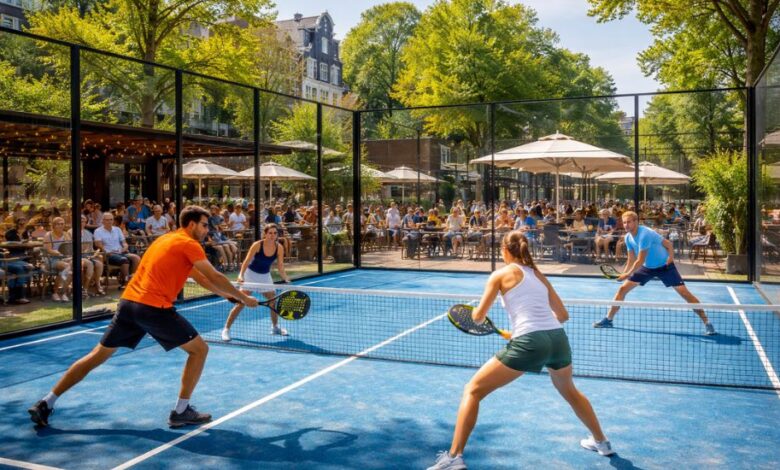
Padel has become one of the most exciting and fastest-growing sports in Europe, and the Netherlands is no exception. Over the past decade, padel has transformed from a relatively unknown racket sport into a nationwide phenomenon. Today, this movement is commonly referred to as NLPadel—a term that represents the entire padel ecosystem in the Netherlands. From modern courts and thriving clubs to passionate players and a strong social culture, NLPadel has reshaped how people in the country approach sport, fitness, and community.
This in-depth article explores NLPadel from every angle: its origins, rapid growth, infrastructure, community culture, competitions, business opportunities, challenges, and future potential.
What Is NLPadel?
NLPadel is not a single company or brand. Instead, it is a collective term used to describe padel in the Netherlands as a sport, lifestyle, and organized system. “NL” is the international abbreviation for the Netherlands, and when combined with padel, it captures everything connected to the game within the country.
NLPadel includes:
-
Players at all skill levels
-
Local and national clubs
-
Indoor and outdoor padel courts
-
Recreational and competitive leagues
-
Coaches, trainers, and organizers
-
A growing digital and media presence
In simple terms, NLPadel represents the Dutch padel movement as a whole.
A Quick Overview of Padel
Padel is typically played in doubles on a compact court enclosed by glass and mesh walls. The ball can be played off the walls, creating longer rallies and more strategic gameplay. The scoring system is similar to tennis, but the rules are simpler and easier for beginners to grasp.
What makes padel especially appealing is its accessibility. People with little or no racket-sport background can enjoy the game almost immediately, while experienced players can develop advanced tactics and skills over time. This balance is one of the main reasons padel has flourished under the NLPadel banner.
How Padel Gained Popularity in the Netherlands
Early Beginnings
Padel arrived in the Netherlands later than in countries like Spain, but once introduced, it spread rapidly. Tennis clubs were among the first to adopt it, often converting underused tennis courts into padel courts. This low barrier to entry helped clubs attract new members and revive interest in racket sports.
Rapid Expansion
As more people experienced padel, demand exploded. Dedicated padel clubs began opening across the country, and indoor facilities became increasingly popular due to the Dutch climate. Within a short time, padel went from a niche activity to a mainstream sport, firmly establishing NLPadel as a national trend.
Organization and Governance of NLPadel
Padel in the Netherlands is officially supported and regulated by the Royal Dutch Lawn Tennis Association. The organization plays a crucial role in providing structure and long-term stability to NLPadel.
Key responsibilities include:
-
Organizing national and regional leagues
-
Maintaining player rankings
-
Training and certifying coaches
-
Supporting youth development
-
Connecting Dutch padel to international competition
This official backing has helped NLPadel grow in a structured and sustainable way rather than as a short-lived trend.
Padel Courts and Clubs Across the Netherlands
Modern Infrastructure
One of the most visible signs of NLPadel’s success is the rapid expansion of high-quality padel courts. These courts are designed to professional standards and often feature:
-
Panoramic glass walls
-
Artificial turf surfaces
-
Advanced lighting systems
-
Indoor climate control
Both indoor and outdoor courts are common, allowing players to enjoy padel throughout the year.
Club Culture
NLPadel clubs are known for their welcoming and social atmosphere. Many clubs emphasize community just as much as competition. It’s common for matches to be followed by drinks, food, and conversation, making padel as much a social event as a sporting one.
Clubs typically fall into three types:
-
Traditional tennis clubs with padel facilities
-
Dedicated padel-only clubs
-
Commercial sports centers combining padel with fitness and hospitality
Who Plays NLPadel?
One of NLPadel’s greatest strengths is its broad appeal. The sport attracts:
-
Young professionals looking for social fitness
-
Families and mixed-age groups
-
Former tennis and squash players
-
Complete beginners
Because padel is played in doubles and requires teamwork, it naturally encourages communication and connection. This social element fits perfectly with Dutch culture and has helped NLPadel grow across all age groups.
Competitive NLPadel: Leagues and Tournaments
While many people play padel recreationally, NLPadel also has a strong competitive side. Structured leagues allow players to compete against others of similar skill levels, ensuring fair and enjoyable matches.
Competitive opportunities include:
-
Local and regional leagues
-
Club-hosted tournaments
-
National championships
-
Mixed, men’s, and women’s divisions
Competition in NLPadel is generally friendly and inclusive, focusing on development and enjoyment as much as results.
The Business Side of NLPadel
Growing Industry
The popularity of NLPadel has created a thriving business ecosystem. Opportunities exist in:
-
Court construction and maintenance
-
Coaching and training services
-
Equipment and apparel sales
-
Club management software
-
Sponsorship and events
Entrepreneurs and investors see padel as a long-term growth market, especially in urban areas where demand continues to rise.
Employment and Careers
NLPadel has also created new career paths, including coaching, event organization, facility management, and digital content creation. For many, padel has become more than a hobby—it’s a profession.
Digital Media and NLPadel’s Online Presence
Social media and online platforms play a major role in promoting NLPadel. Players share match highlights, training tips, and club updates, helping the sport reach new audiences. Blogs, videos, and online communities make it easy for beginners to learn and for enthusiasts to stay engaged.
This digital visibility has strengthened NLPadel’s identity and accelerated its growth nationwide.
Challenges Facing NLPadel
Despite its success, NLPadel faces several challenges:
-
Limited space for new courts in crowded cities
-
Noise concerns near residential areas
-
Maintaining affordable access for all players
-
Ensuring consistent coaching standards
Addressing these issues will be essential to maintaining long-term growth and public support.
The Future of NLPadel
The future of NLPadel looks extremely promising. Expected developments include:
-
Continued expansion of indoor facilities
-
Stronger youth and school programs
-
Increased international competition
-
Integration of technology and performance analysis
-
Deeper connections with wellness and lifestyle trends
As padel continues to grow globally, the Netherlands is well positioned to remain a leading force in the sport’s European development.
Final Words from Buzz Vista
NLPadel is more than just a sport—it’s a modern movement that combines fitness, fun, and community. Its rapid rise reflects changing attitudes toward active lifestyles and social sports in the Netherlands. From casual players to competitive athletes, NLPadel offers something for everyone.
At Buzz Vista, we focus on uncovering trends and stories that shape today’s culture. NLPadel is a perfect example of how a sport can evolve into a nationwide lifestyle. As the padel scene in the Netherlands continues to expand, Buzz Vista will be there to explore and share its journey.
You may also read: Tara Mae Kirk: Rising Star of Peterborough United