Mayor Byron Brown: Buffalo’s Longest-Serving Leader
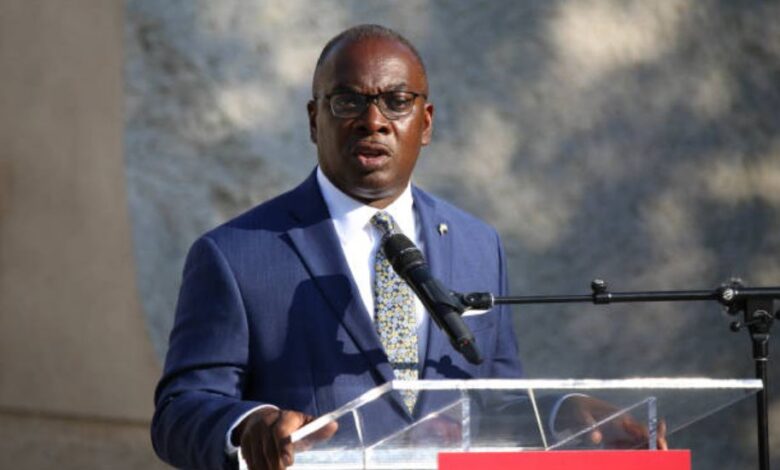
For nearly two decades, one name dominated the political landscape of Buffalo, New York: Mayor Byron W. Brown. As the city’s longest-serving mayor and the first African-American to hold the office, Brown’s story is both a political journey and a portrait of Buffalo’s modern evolution. His tenure spans moments of crisis, rebirth, political tension, and urban transformation. From his rise in New York State politics to his dramatic resignation in 2024, Brown’s legacy continues to spark discussion among political observers, residents, and analysts alike.
This article explores Byron Brown’s early life, his political ascent, his 18+ years as mayor, his major achievements and controversies, and what ultimately led to his departure from City Hall. It also reflects on what Brown’s leadership means for the future of Buffalo.
Early Life and Education: Foundations of a Political Path
Byron William Brown II was born on September 24, 1958, in Queens, New York. Raised in the Hollis neighborhood, he grew up in a diverse and vibrant community that shaped his early view of civic responsibility and public service. Brown graduated from August Martin High School before moving to Buffalo to attend Buffalo State College, where he earned a bachelor’s degree in political science and journalism in 1983.
During his college years, Brown became deeply involved in community initiatives and student leadership. He joined Alpha Phi Alpha Fraternity, Inc., a historically Black fraternity known for its emphasis on public service, intellectual rigor, and leadership. These experiences helped nurture his interest in government and advocacy, setting a foundation for his future political career.
From Community Organizer to City Leader: The Road to the Mayor’s Office
Before holding elected office, Brown worked in Erie County government as the Director of Equal Employment Opportunity. His early roles focused on fairness in hiring practices and policy oversight—experience that would later influence his approach to administrative leadership.
Buffalo Common Council (1996–2001)
Brown’s first major political breakthrough came when he was elected to the Buffalo Common Council, representing the Masten District. Taking office in January 1996, he became known for his attention to community concerns, oversight of city spending, and advocacy for redevelopment in struggling neighborhoods. His leadership style—a blend of calm diplomacy and strategic networking—earned both supporters and critics, but it undeniably placed him in the spotlight.
New York State Senate (2001–2005)
In 2000, voters of Western New York elected Brown to the New York State Senate. He first represented the 57th District and later the 60th District. During his tenure in Albany, Brown focused on affordable housing, jobs programs, and economic development, while also earning a reputation as a senator who brought state attention to Buffalo’s local challenges. His legislative work helped prepare him for executive leadership as he built alliances with party leaders and community organizations.
2006: A Historic Election and a Turning Point for Buffalo
On January 1, 2006, Byron W. Brown became the 62nd Mayor of Buffalo, making history as the city’s first Black mayor. For many residents, his election symbolized a new era. Buffalo, long struggling with post-industrial decline, population loss, and economic stagnation, was in desperate need of stability and direction.
Brown campaigned on promises of safer streets, economic development, and improved government efficiency. His calm demeanor and steady leadership style resonated with a city seeking predictability and progress.
Major Achievements During His 5-Term Tenure
Over the course of nearly 19 years, Mayor Brown oversaw major initiatives that reshaped Buffalo’s downtown, influenced statewide politics, and revitalized critical sectors. His leadership was often described as steady—even cautious—but undeniably impactful.
1. Waterfront Revitalization and Downtown Growth
Buffalo’s waterfront, once underdeveloped and underutilized, has seen rapid transformation. Canalside, the Erie Canal Harbor redevelopment, and expansion of entertainment districts became symbols of Buffalo’s resurgence. While some projects began before his tenure, Brown accelerated development and supported public-private partnerships.
2. Managing City Finances and Stabilization
When Brown took office, Buffalo was under the oversight of a Fiscal Stability Authority. Under his leadership, the city gradually strengthened its financial position and improved municipal operations. Brown often highlighted fiscal stewardship as one of his administration’s proudest accomplishments.
3. Housing, Demolition, and Neighborhood Initiatives
Buffalo struggled for decades with thousands of vacant homes and abandoned lots. Brown’s administration cleared thousands of vacant structures, launched neighborhood improvement programs, and supported community-based housing developments. While the issue remains significant, his policies contributed to neighborhood stabilization across the city.
4. Economic Growth and Job Development
During Brown’s tenure, Buffalo saw steady growth in healthcare, education, and service industries. While many economic forces were broader than city politics, Brown emphasized partnerships with institutions like the University at Buffalo and private investors to stimulate growth.
5. Public Safety and Reform Efforts
Brown’s administration oversaw expansions in police staffing and crime-prevention initiatives. Crime metrics improved during certain periods, though policing controversies also marked his tenure—especially during national conversations on law enforcement practices.
Controversies and Criticisms
Like any long-serving political leader, Byron Brown faced his share of criticism. Several controversies and challenges shaped perceptions of his administration.
1. Police Transparency Issues (2008 onward)
Early in his tenure, media outlets reported claims that the Buffalo Police Department withheld crime reports from public access. Critics accused the administration of reducing transparency, though the issue remained debated.
2. Development Priorities and Gentrification Concerns
Some residents believed Brown’s policies favored downtown and waterfront development at the expense of lower-income neighborhoods. Gentrification concerns emerged in areas experiencing rapid investment.
3. The 2021 Mayoral Election Upset—Then a Historic Write-In Win
In 2021, Brown lost the Democratic primary to India Walton, a political newcomer supported by progressive groups. Rather than concede, Brown launched an unprecedented write-in campaign—one of the largest successful write-in efforts in U.S. history. He won reelection, demonstrating both grassroots support and deep divides within Buffalo politics.
4. Criticism of Administrative Management
Opponents claimed that Brown centralized decision-making and sometimes avoided bold policy reforms. Supporters, however, saw his steadiness as a stabilizing force.
Resignation in 2024: A New Chapter Begins
On September 30, 2024, Mayor Byron Brown announced he would resign ahead of schedule. His resignation became official on October 15, 2024.
Why Did Mayor Byron Brown Resign?
Brown left office to accept a new position as President and CEO of the Western Regional Off-Track Betting Corporation (OTB). The job came with a substantial salary increase—around $295,000 per year with projected raises—compared to his mayoral salary of approximately $178,518.
The transition surprised some political observers, yet it also aligned with Brown’s pragmatic character: he had long focused on administrative leadership and regional economic structures, making the OTB role a logical next step.
Personal Life: Family and Community Roots
Byron Brown is married to Michelle Austin, and together they have a son. He has maintained involvement in community groups, educational institutions, and leadership organizations throughout his career. Brown often describes his family and Buffalo community as the backbone of his political journey.
How Long Was Byron Brown Mayor of Buffalo?
From January 1, 2006, to October 15, 2024, Byron Brown served:
-
18 years and 9+ months
-
The longest mayoral tenure in Buffalo’s history
His nearly two decades in office spanned major social, economic, and political shifts in Buffalo.
Legacy: How Will History Judge Byron Brown?
Byron Brown’s legacy is complex, but undeniably significant.
The Positives
-
Stabilized city finances
-
Oversaw major downtown and waterfront redevelopment
-
Brought long-term consistency to Buffalo’s leadership
-
Achieved historic representation milestones
-
Won an unprecedented write-in campaign
-
Maintained strong ties with business and development partners
The Critiques
-
Some neighborhoods felt left behind
-
Concerns about transparency and administrative caution
-
Critics argued that Buffalo needed more aggressive reform in policing and housing
-
Progressive activists viewed his leadership as too incremental
Still, Brown’s impact on the city is unmistakable. Many credit him with helping usher Buffalo into a new era of growth—one built on tourism, redevelopment, education, and healthcare expansion.
Conclusion: Byron Brown and the Future of Buffalo
As Buffalo moves forward under new leadership, the imprint of Byron Brown’s nearly 19 years as mayor remains deeply embedded in the city’s political and physical landscape. His departure marks the end of an era—one defined by resilience, development, and steady governance.
Whether hailed as a transformational figure or critiqued as overly cautious, Byron Brown undeniably shaped Buffalo’s modern identity. His leadership reflects the complexities of governing a Rust Belt city in transition, navigating economic challenges while fostering growth and stability.
As he embarks on his new role at Western Regional OTB, the story of Byron Brown continues—no longer from the mayor’s office, but still influential in Western New York’s economic direction. Buffalo will carry forward both his achievements and the lessons from his long administration.
This article is published for readers of Buzz Vista, your source for in-depth political profiles, trending issues, and insightful analysis.
You may also read: UK Braced for Significant Snowstorm Bringing Potential White Christmas